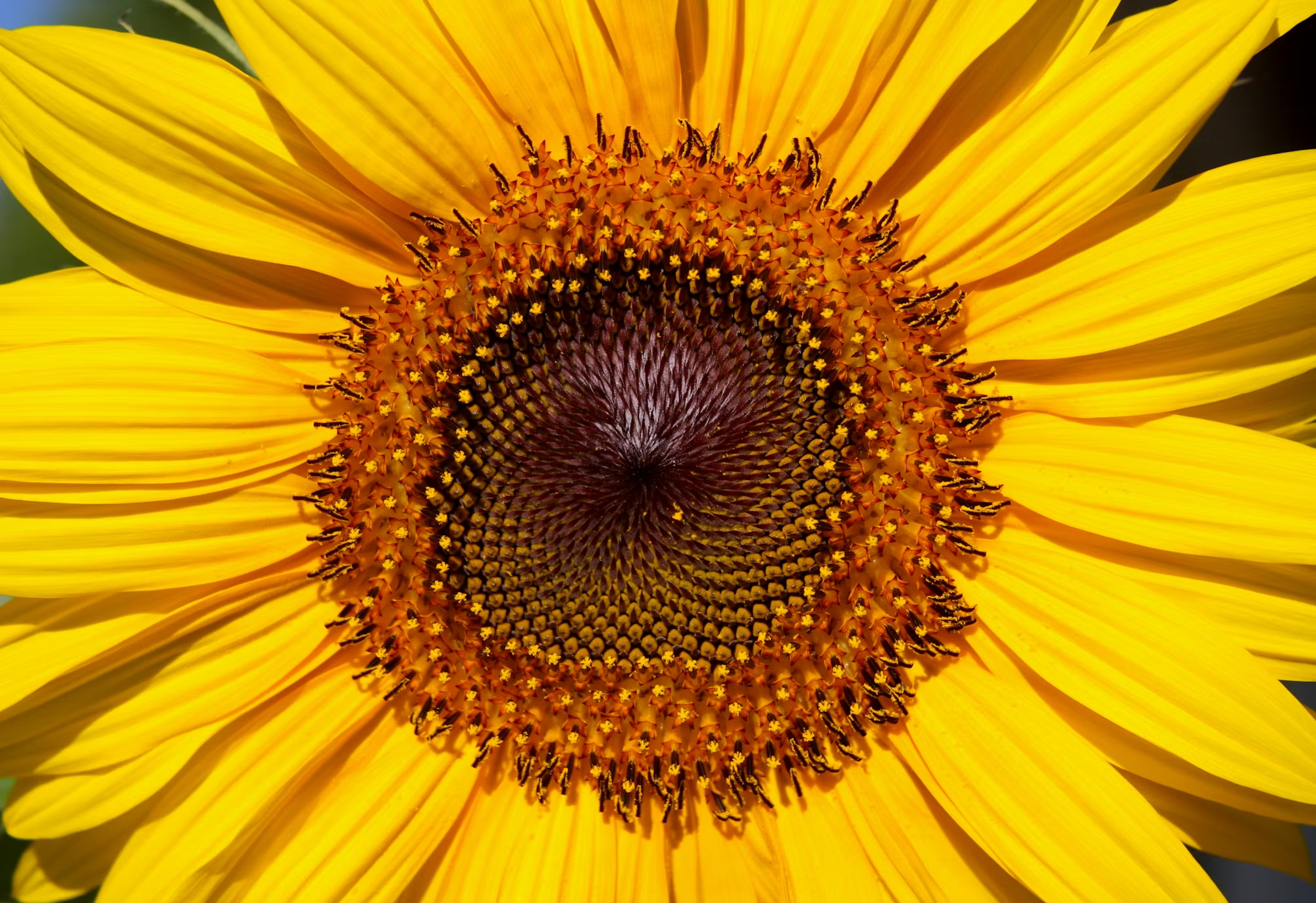
Flower gardening is an art that allows individuals to express creativity and enhance their living spaces with the beauty of nature. With countless flower varieties to choose from, each boasting unique colors, shapes, and fragrances, gardeners have the opportunity to create stunning displays that reflect personal tastes and local ecosystems. This article will delve into the colorful world of flower gardening, exploring different types of flowers, their characteristics, and practical tips for nurturing a flourishing garden. Starting with the basics, it’s essential to understand the different categories of flowers that can be cultivated in a garden. Wildflowers, for instance, are native plants that grow naturally in the wild. They offer a delightful array of colors and shapes and often attract local pollinators, making them a fantastic choice for a sustainable garden. Wild daisies and buttercups are two examples that thrive in various habitats, providing a cheerful pop of color in meadows and borders. Planting wildflowers not only beautifies your garden but also supports biodiversity by creating habitats for local wildlife. Next, we have perennials, which are beloved for their longevity and ability to return year after year. Flowers like peonies, lupines, and asters fall into this category. Peonies, with their large, lush blooms, symbolize beauty and prosperity, making them a cherished addition to many gardens. Lupines, known for their striking spikes of color, add vertical interest, while asters provide vital nectar for pollinators in late summer and fall. Incorporating perennials into your garden ensures a dynamic display that evolves with the seasons, offering beauty and vibrancy year after year. Annual flowers, on the other hand, complete their life cycle in a single growing season. This category includes popular blooms like petunias, marigolds, zinnias, and sunflowers. Annuals are known for their vibrant colors and prolific blooming, making them favorites for gardeners seeking to create lively, colorful displays. Petunias, available in a variety of colors and patterns, are often used in hanging baskets and window boxes, adding cheerful brightness to any space. Marigolds, with their rich orange and yellow hues, not only provide visual appeal but also help deter pests in vegetable gardens. Sunflowers stand tall in any garden, symbolizing warmth and happiness, while their seeds provide nourishment for birds and other wildlife. For those looking to create seasonal highlights, bulb flowers are a captivating choice. These flowers grow from bulbs, which store nutrients underground, allowing them to thrive even in challenging conditions. Tulips, daffodils, hyacinths, and crocuses are some popular examples. Tulips, with their elegant cup shapes and wide range of colors, have become iconic symbols of spring. Daffodils, often one of the first flowers to bloom, bring joy after a long winter, their bright yellow petals heralding the warmer days ahead. Hyacinths fill the air with their sweet fragrance and create clusters of stunning blooms, while crocuses, with their delicate flowers peeking through the snow, remind us of nature’s resilience. In addition to these, herbaceous plants play a significant role in flower gardening. These non-woody plants produce flowers that die back to the ground at the end of the growing season. Lilies, coneflowers, and black-eyed Susans are notable examples. Lilies, known for their large and fragrant flowers, are often associated with elegance and beauty. Coneflowers, with their distinctive purple petals and prominent centers, provide essential resources for pollinators, ensuring that gardens remain vibrant even as summer fades. Black-eyed Susans, with their striking yellow petals and dark centers, create a warm, inviting atmosphere in gardens and natural landscapes. Shrubs and bushes also contribute significantly to flower gardening. These flowering plants have woody stems and can produce blooms across multiple seasons. Roses, azaleas, hydrangeas, and lilacs are popular choices in this category. Roses, often considered the ultimate symbol of love and beauty, come in countless varieties, each with its unique fragrance and color. Azaleas add a burst of color in spring, while hydrangeas provide lush, large blooms that can change color depending on soil conditions. Lilacs, with their intoxicating scent, evoke nostalgia and are often associated with the arrival of spring. The beauty of these flowering shrubs adds structure and depth to gardens, creating inviting spaces for relaxation and enjoyment. For gardeners in warmer climates, tropical flowers present an exotic option. Known for their vibrant colors and unique shapes, flowers like hibiscus, bird of paradise, and orchids bring a touch of the tropics to any garden. Hibiscus flowers, with their large, trumpet-like blooms, are a staple in tropical gardens and attract hummingbirds and butterflies. Bird of paradise, resembling a bird in flight, adds an architectural marvel to floral design, while orchids showcase intricate patterns and stunning colors, making them a favorite among collectors. These flowers not only enhance the beauty of gardens but also contribute to the overall biodiversity of the area. Conversely, desert flowers exemplify nature’s adaptability. These resilient blooms, such as cacti, desert marigolds, and yucca flowers, thrive in arid conditions where water is scarce. Cacti blooms, often appearing in stunning colors, demonstrate the resilience of life in the desert. Desert marigolds add vibrant splashes of color to the sandy landscape, while yucca flowers produce clusters of white blooms that provide nourishment for local wildlife. The ability of these flowers to flourish in challenging environments highlights the incredible diversity of the plant kingdom. In high-altitude regions, alpine flowers showcase their hardiness and beauty. Examples include edelweiss, alpine forget-me-nots, and mountain avens. Edelweiss, with its star-shaped white blooms, has become an iconic symbol of the Alps, representing courage and beauty. Alpine forget-me-nots, with their delicate blue petals, often create a carpet of color against rocky terrains, while mountain avens add charm with their soft, white blooms. These flowers not only survive but flourish in environments that challenge most other plants, showcasing the resilience and beauty of life at great heights. Aquatic plants also offer unique gardening opportunities, thriving in water environments. Water lilies, lotus flowers, and water hyacinths create breathtaking scenes in ponds, lakes, and wetlands. Water lilies, with their broad leaves and stunning blooms, float gracefully on the water’s surface, creating a serene and peaceful ambiance. Lotus flowers, often associated with tranquility and purity, rise above the water, showcasing their exquisite blooms. Water hyacinths, while sometimes considered invasive, offer striking purple flowers that attract pollinators, adding visual interest to aquatic spaces. Gardening with aquatic plants not only enhances the beauty of water features but also supports diverse ecosystems. As we cultivate our flower gardens, it is essential to consider the ecological impact of our choices. Planting native flowers and creating habitats for local wildlife supports biodiversity and helps maintain healthy ecosystems. Additionally, using sustainable gardening practices, such as composting, mulching, and minimizing pesticide use, can enhance the overall health of our gardens while promoting environmental stewardship. In conclusion, flower gardening is a rewarding endeavor that allows us to connect with nature, express creativity, and support local ecosystems. By exploring the colorful world of flowers—from wildflowers to tropical blooms—we can cultivate vibrant gardens that not only beautify our surroundings but also contribute to the health and diversity of our planet. Each bloom has its story to tell, and as gardeners, we have the opportunity to nurture and celebrate the incredible diversity that flowers bring to our lives.
Exploring the Colorful World of Flower Gardening