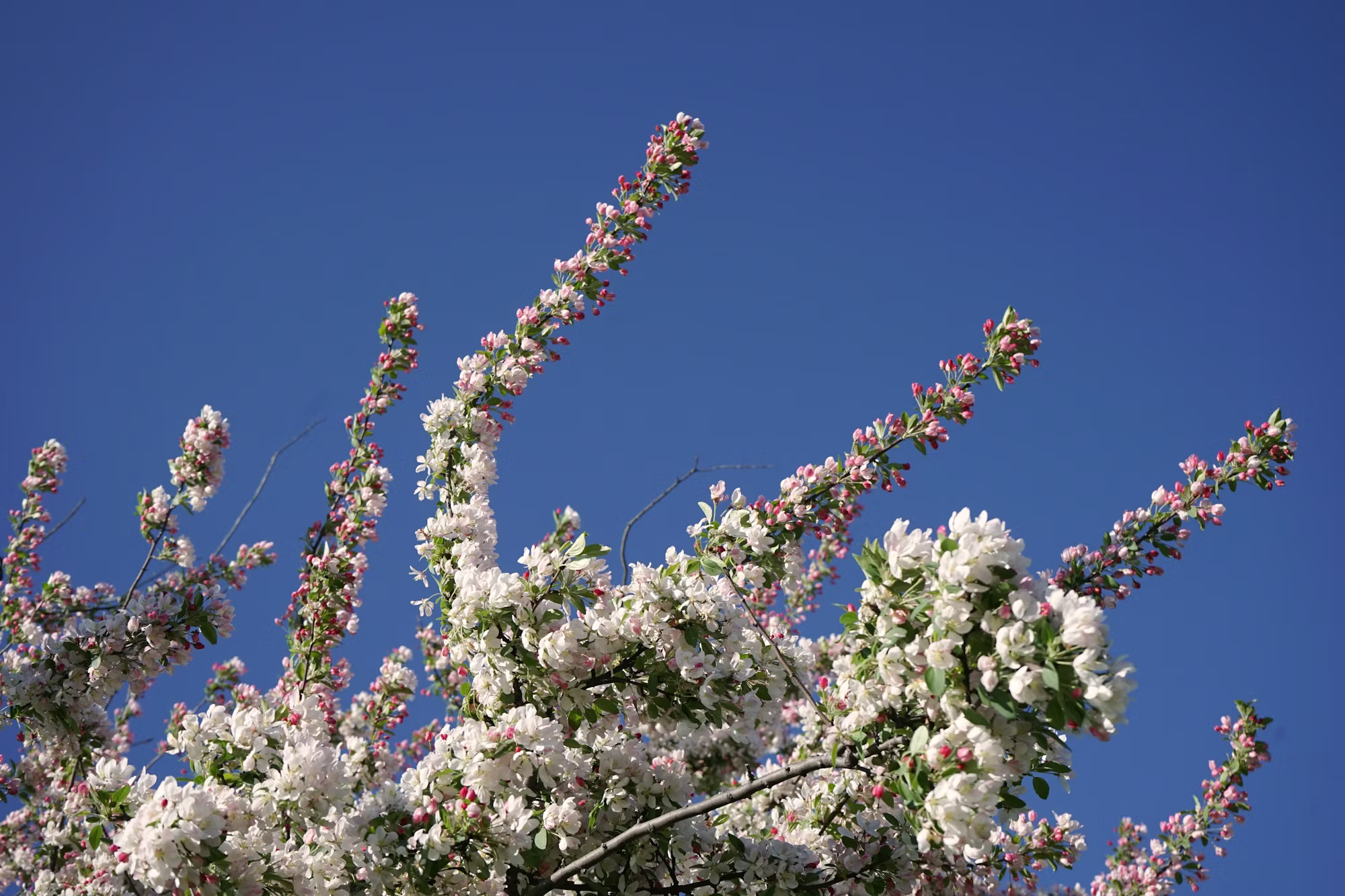
Flowers have an extraordinary ability to evoke emotions and memories, often through their enchanting scents. The aroma of flowers can transport us to cherished moments, creating connections between our senses and experiences. In this article, we will delve into the fascinating world of fragrant flowers, exploring their diverse scents, meanings, and the roles they play in our gardens and lives. Fragrance is one of the most captivating aspects of flowers, influencing our perception of beauty and evoking feelings of joy, nostalgia, or tranquility. Various flowers emit unique aromas, ranging from sweet and fruity to spicy and earthy. For instance, roses are celebrated for their classic, romantic scent, while jasmine offers an exotic and heady fragrance that is often used in perfumes. Lavender, with its soothing aroma, is known for promoting relaxation and calm, making it a popular choice for gardens and home decor. The scent of flowers is not only pleasing to our senses but also serves practical purposes in nature. Many flowers produce fragrances to attract pollinators, such as bees, butterflies, and hummingbirds. These pollinators are essential for the reproductive process of flowering plants, and the scents serve as signals, guiding them to the nectar-rich centers of the blooms. For example, the sweet scent of honeysuckle is a magnet for hummingbirds, while the bold fragrance of gardenias can entice a variety of pollinators. Understanding the role of fragrance in attracting pollinators highlights the interconnectedness of plant life and the natural world. The significance of fragrant flowers extends beyond their ecological roles; they also carry meanings and symbolism across cultures. For centuries, flowers have been used to express sentiments in various traditions and ceremonies. For instance, the sweet scent of lilacs symbolizes the arrival of spring and the joy of new beginnings, while the heady aroma of tuberose is associated with love and sensuality. In many cultures, flowers are used in rituals and celebrations, their fragrances enhancing the emotional impact of these occasions. Incorporating fragrant flowers into gardens can create a sensory experience that elevates outdoor spaces. Whether it’s a small balcony or a sprawling landscape, the addition of fragrant blooms can transform the atmosphere. Imagine stepping into a garden filled with the sweet aroma of blooming jasmine or the calming scent of lavender—each breath invites a sense of peace and serenity. Gardeners often choose fragrant flowers to create inviting pathways, intimate seating areas, or serene meditation spots, turning their outdoor spaces into personal sanctuaries. Seasonal variations in fragrant flowers add to the charm of our gardens. In spring, peonies and lilacs burst into bloom, filling the air with their delightful scents. Summer brings the intoxicating aroma of roses, honeysuckle, and lavender, inviting us to linger in their presence. Autumn introduces the spicy notes of chrysanthemums and the earthy scents of asters, creating a rich tapestry of aromas that mark the changing seasons. Each season offers a unique opportunity to experience the diverse fragrances that flowers bring, encouraging us to appreciate the beauty of nature year-round. The art of creating fragrant arrangements is another way to bring the beauty of flowers into our homes. Florists skillfully combine different blooms to craft bouquets that not only please the eye but also delight the nose. A well-composed arrangement of fragrant flowers can elevate any space, whether it’s for a special occasion or simply to brighten a room. Combining blooms like roses, peonies, and freesias can create a luxurious bouquet that enchants all who encounter it. Additionally, using fragrant flowers in home decor can enhance our living environments. Incorporating flowers like lavender, gardenias, or citrus-scented blooms into our homes not only beautifies our surroundings but also contributes to our well-being. Studies have shown that pleasant scents can elevate mood, reduce stress, and improve overall mental health. Simple acts like placing a vase of fresh flowers on a kitchen table or adding potted lavender to a windowsill can create a calming atmosphere that promotes relaxation. Beyond their visual and aromatic appeal, fragrant flowers can also serve as natural air fresheners. Instead of relying on synthetic scents, incorporating flowers like lilies, jasmine, or geraniums can enhance indoor air quality while providing delightful fragrances. Many of these flowers release natural compounds that can purify the air, contributing to a healthier living environment. Choosing to fill our spaces with fragrant flowers is a beautiful way to embrace the benefits of nature. The diversity of fragrant flowers is astonishing, with various species offering unique scents and characteristics. For example, peonies provide a sweet and romantic fragrance, while the rich scent of gardenias can evoke feelings of nostalgia. Meanwhile, lavender is known for its calming properties, often used in aromatherapy. Each flower brings its distinct personality, allowing individuals to curate their spaces according to their preferences and desired atmospheres. In conclusion, the allure of fragrant flowers lies in their ability to engage our senses and enrich our lives. From their enchanting scents that attract pollinators to their profound meanings in different cultures, fragrant flowers have a unique place in our hearts and environments. By incorporating fragrant blooms into our gardens and homes, we can cultivate spaces that promote well-being, joy, and connection to nature. As we explore the world of flowers, let us not forget the simple pleasure of pausing to appreciate their scents, allowing them to transport us to moments of beauty and tranquility.
A Symphony of Scents: The Allure of Fragrant Flowers