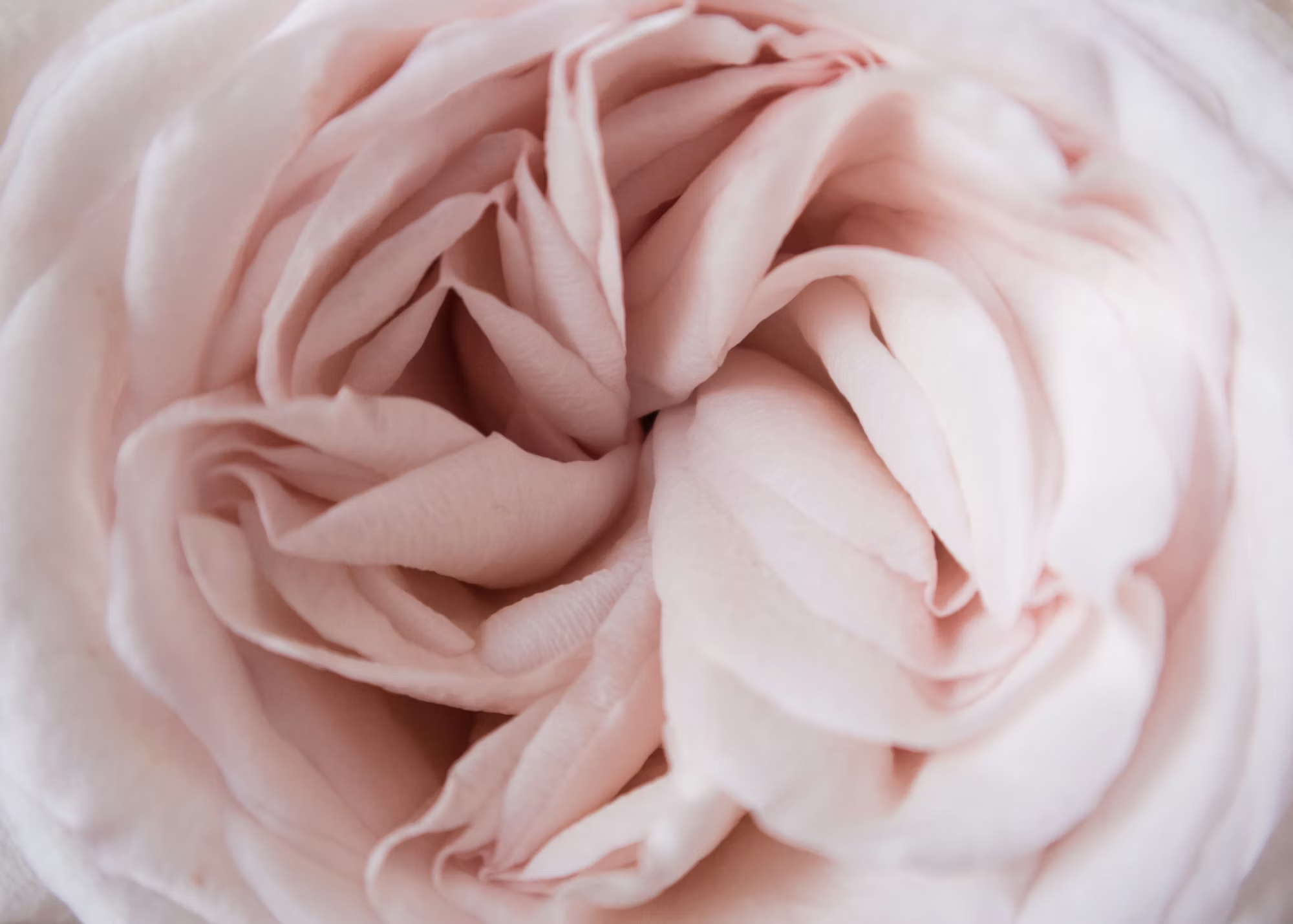
Flower borders are a delightful way to frame pathways, beds, and gardens, offering an explosion of color and texture that changes with the seasons. Creating a beautiful flower border not only enhances the visual appeal of your outdoor space but also provides habitat for pollinators and other beneficial wildlife. This article will guide you through the essential steps of designing, planting, and maintaining a vibrant flower border that reflects your style and embraces the beauty of nature. Understanding the Basics of Flower Borders A flower border is a defined area planted with a variety of flowers, typically located along pathways, fences, or the edges of garden beds. These borders serve as an invitation into your garden, guiding visitors with their colors and scents. To create an effective flower border, it’s essential to understand its purpose: whether to frame a garden, create privacy, or simply enhance aesthetics. The first step in designing a flower border is to choose its location. Consider factors such as sunlight, soil type, and the overall layout of your garden. A sunny spot with well-draining soil is ideal for most flowers, while shaded areas can be filled with shade-loving plants. Evaluating the available space will help you determine the types of flowers that will thrive in your chosen location. Choosing the Right Flowers Selecting the right flowers is crucial for creating a stunning flower border. Consider a mix of annuals, perennials, and even bulbs to ensure continuous blooms throughout the seasons. Annuals, such as petunias and marigolds, provide vibrant color and are ideal for filling gaps, while perennials, like daylilies and asters, offer reliable blooms year after year. Bulbs, including tulips and daffodils, can add early spring color, making your border stand out from the very beginning of the growing season. Additionally, think about color schemes and flower heights when planning your border. A harmonious color palette can evoke specific emotions, while varying heights creates visual interest. Taller flowers, such as hollyhocks or delphiniums, can be planted at the back or center of the border, with medium-height plants like coneflowers in the middle and low-growing flowers, such as alyssum or creeping thyme, at the front. This layering effect draws the eye and provides depth to the arrangement. Designing Your Flower Border Once you’ve selected your flowers, it’s time to design your border. Start by sketching a layout that includes the placement of each plant, considering their mature size and growth habits. Grouping flowers in odd numbers often creates a more natural look, so aim for clusters of three or five. Incorporating a mix of textures—smooth, spiky, and fluffy—can also enhance visual interest. When planting, ensure proper spacing to allow for growth and airflow. Crowded plants can lead to diseases and pests, so give each flower enough room to flourish. Additionally, consider the blooming seasons of your chosen flowers to create a dynamic display that evolves throughout the year. By mixing early, mid, and late-season bloomers, your border will remain vibrant and engaging, showcasing the beauty of nature in every season. Caring for Your Flower Border A flower border requires regular maintenance to ensure its health and vitality. Watering, weeding, and mulching are essential tasks that should be incorporated into your gardening routine. During dry spells, deep watering is crucial, allowing the roots to absorb moisture effectively. A layer of mulch can help retain soil moisture, suppress weeds, and maintain a consistent temperature in the soil. Weeding is vital for the health of your flower border. Weeds compete for nutrients and water, so regular checks and removal will help your flowers thrive. Consider using landscape fabric or cardboard under mulch to further suppress weed growth. Fertilizing your flower border will also support healthy growth. A balanced fertilizer, applied in the spring and mid-summer, can provide the necessary nutrients for your plants. However, be cautious not to over-fertilize, as this can lead to excessive foliage growth at the expense of blooms. Incorporating Wildlife-Friendly Practices One of the joys of flower borders is their ability to attract pollinators and beneficial insects. To create a wildlife-friendly border, avoid using chemical pesticides and herbicides. Instead, focus on natural pest control methods, such as introducing beneficial insects like ladybugs and lacewings, which can help manage aphid populations. Planting a diverse array of flowers will also attract various pollinators, such as bees and butterflies. Including plants with different bloom shapes and sizes can cater to the needs of various species. Additionally, leaving some areas of your garden untamed can provide habitat and nesting sites for beneficial insects, further enhancing the ecological balance of your garden. Seasonal Color Changes and Maintenance As the seasons change, so will the colors and textures of your flower border. Early spring blooms, such as daffodils and tulips, give way to summer favorites like daisies and sunflowers, followed by autumn hues from chrysanthemums and asters. Incorporating a variety of bloom times will ensure that your flower border remains visually appealing throughout the year. Regular maintenance is essential during each season. In spring, prepare the soil by adding compost and removing any debris from the winter months. During summer, stay vigilant about watering and weeding, while in fall, consider cutting back spent perennials and adding mulch to protect the roots during the winter. Embracing Creativity in Your Flower Border Your flower border is an opportunity to express your creativity and personality. Consider adding unique elements, such as decorative stones, garden sculptures, or trellises, to enhance the overall design. These features can serve as focal points, drawing attention and providing a sense of depth to the border. Experimenting with different flower combinations, colors, and textures can lead to delightful surprises. Keep a gardening journal to track your successes and failures, allowing you to refine your approach over time. Embrace the learning process; gardening is an evolving art form that invites innovation and adaptation. Conclusion: Cultivating Beauty and Biodiversity Creating a flower border is a rewarding endeavor that enriches your garden while fostering a connection to nature. By understanding the basics of design, selecting the right flowers, and committing to regular maintenance, you can cultivate a vibrant and thriving flower border that brings joy and beauty to your outdoor space. As you embrace the seasonal changes and care for your border, remember that you are not only enhancing your garden but also contributing to the biodiversity of your local ecosystem. Let your flower border be a reflection of your love for nature and a testament to the beauty that blooms with care and creativity.
Embracing Nature’s Palette: A Guide to Creating Vibrant Flower Borders